
Discover Chianti: More Than Wine
Chianti for Wine Lovers
Sangiovese, galestro, the subzones, the Gran Selezione rules, vertical tastings and how to cellar what you bring home.
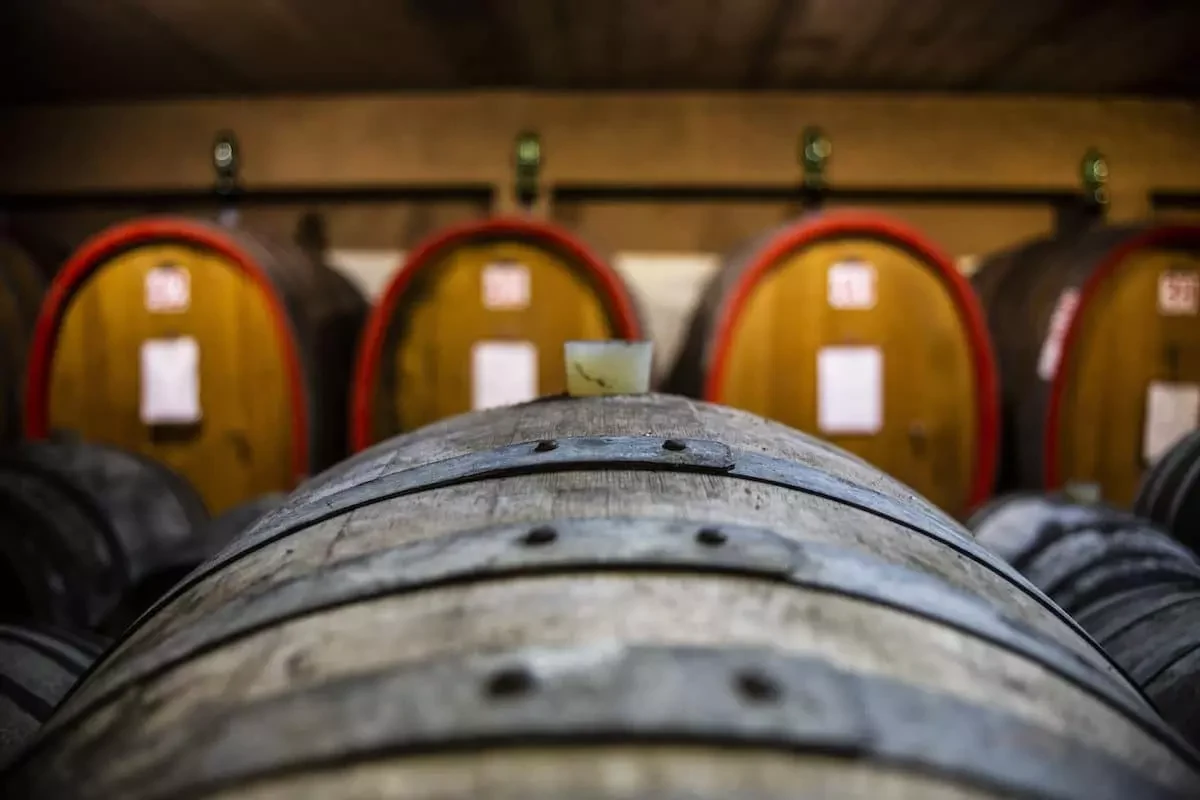
This guide is for those who already know they like Chianti Classico and want to understand it better: the grape, the soils, the rules, the vintages, and how to taste with intent. It is also an invitation to the tastings we built for exactly this kind of visitor.
Sangiovese, the whole story
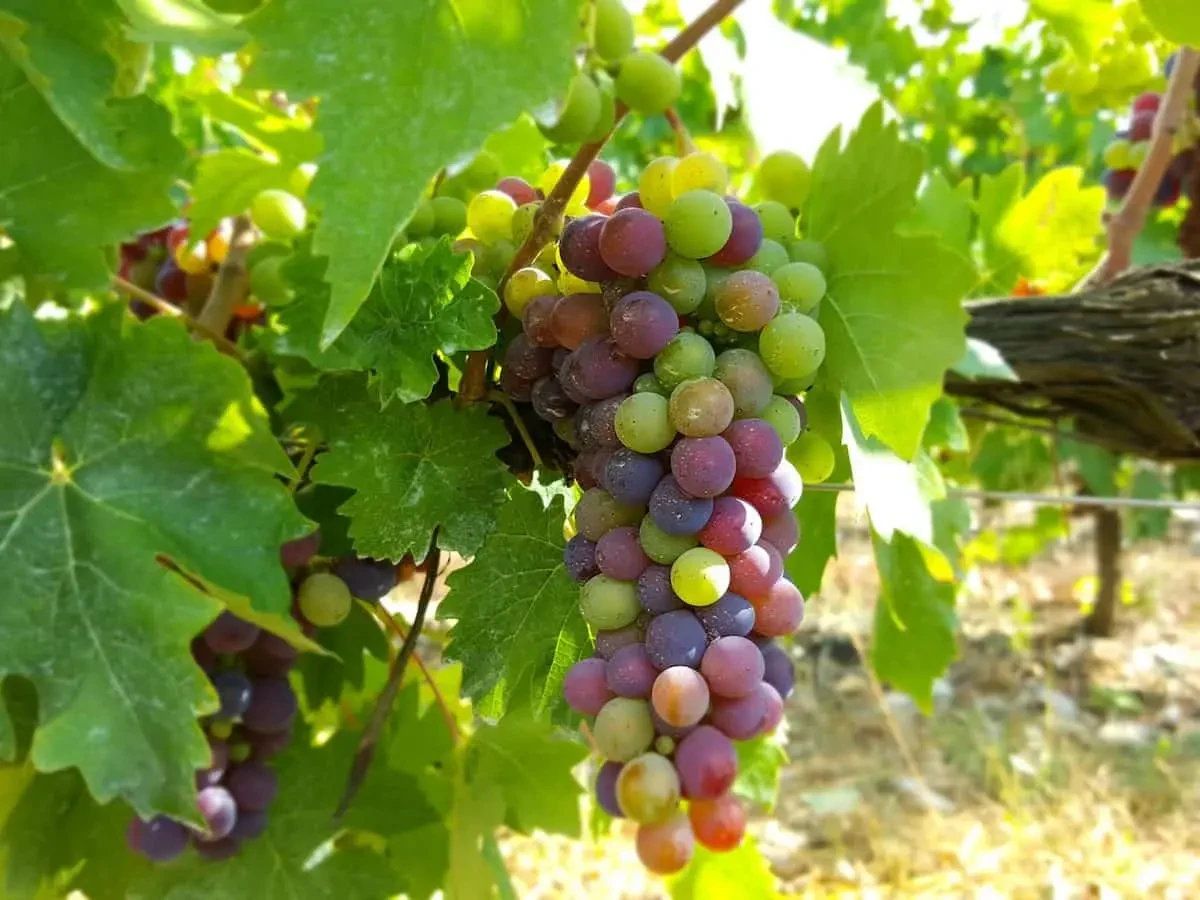
Chianti Classico must be at least eighty per cent Sangiovese; the rest may be Canaiolo, Colorino or international varieties. Sangiovese is late ripening, vigorous, sensitive to site: it absorbs soil and climate like a sponge. On the galestro marl of our hills it gives iris, violet, sour cherry and a tannin that needs food; where clay is present it gains flesh. At Casa Sola fourteen of our twenty hectares are Sangiovese, planted between one and fifty years ago.
Soils and altitude
Two soils define the appellation: galestro, a flaky schistous marl that drains fast, and alberese, a hard limestone. Altitude runs from two hundred to over six hundred metres; we are at three hundred and thirty, in the western part of the appellation, where the sea breeze keeps nights cool and ripening slow. Our interactive estate map shows the soil and exposure of every plot.
The pyramid and the subzones
Since 2014 the appellation has three levels. Annata: released from the October after harvest. Riserva: at least twenty-four months of ageing, three of them in bottle. Gran Selezione: estate grapes only, at least thirty months, an extra chemical and sensory examination, and, from recent vintages, the possibility of naming one of the eleven Additional Geographical Units on the label. The units are not a ranking; they are a map. Ours, San Donato in Poggio, is the westernmost, open to the sea.
Vintages
The same hills, a different year every time. Our vintage archive records the climate, the harvest dates and the character of each year from 2015 on, with a note on ageing potential. The short version: warm, generous years drink earlier; cool, long seasons give wines that reward patience. Indicatively, Chianti Classico shows well for five or six years, Riserva for ten, Gran Selezione longer, but a good cellar changes everything.
Taste vertically
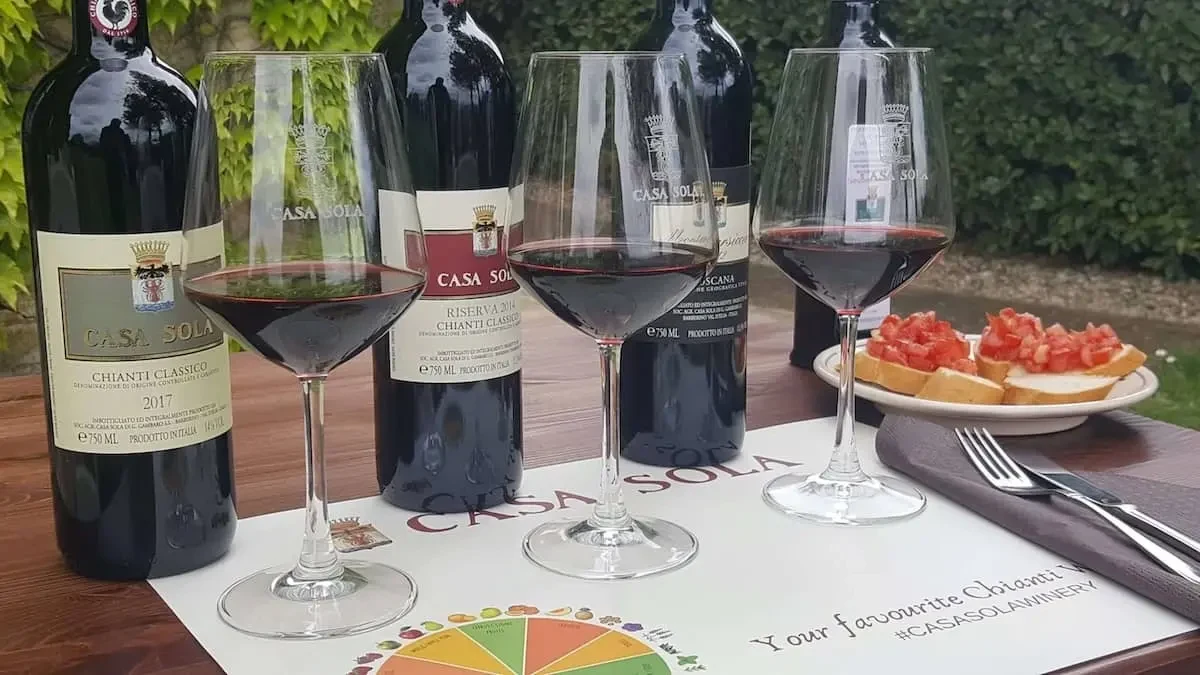
The only way to understand time in wine is to taste the same wine across years. Our vertical tastings put five vintages of the Riserva, or of the Supertuscan Montarsiccio, side by side with the winemaker. For a whole afternoon with Matteo, the Super Tasting masterclass covers vineyard, cellar, a vertical of Chianti Classico, pairing and Vin Santo.
Beyond the rooster
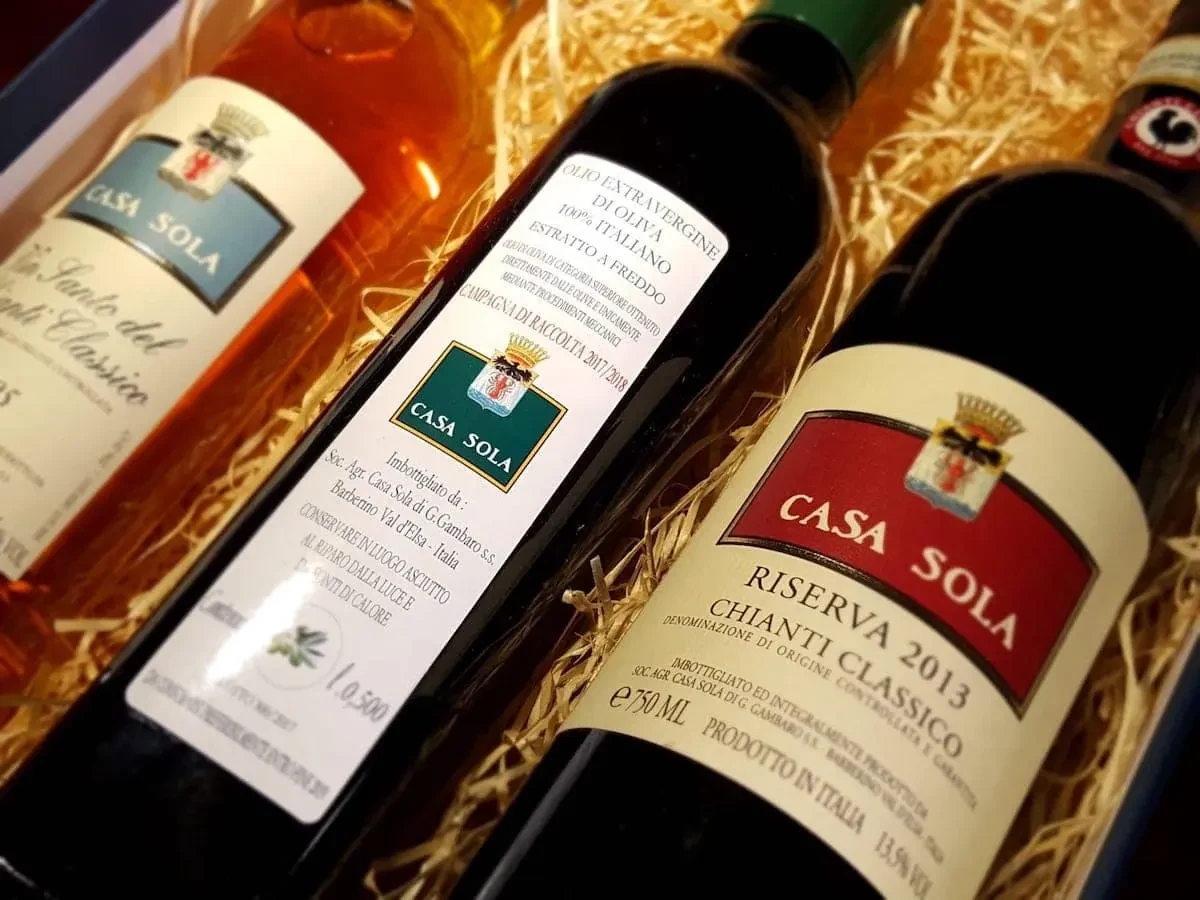
The Supertuscans were born in the 1960s and 70s, when producers stepped outside the appellation rules to blend international grapes. Montarsiccio, from the vineyard of the same name, has done it since 1987 with Cabernet Sauvignon, Merlot and Sangiovese. Vin Santo del Chianti Classico is the other tradition: Malvasia and Trebbiano hung to dry for four months, then five years in small casks under the roof.
Taking it home
Store bottles lying down, in the dark, between twelve and sixteen degrees, and leave Riserva and Gran Selezione alone for a few years. We ship across Europe and, on quote, to the United States; every bottle's QR code opens its page with the vintages and the story.
In February, if you can, come to the Chianti Classico Collection in Florence: hundreds of producers, the new vintages, and the fastest way to taste the whole appellation in a day.
Keep reading
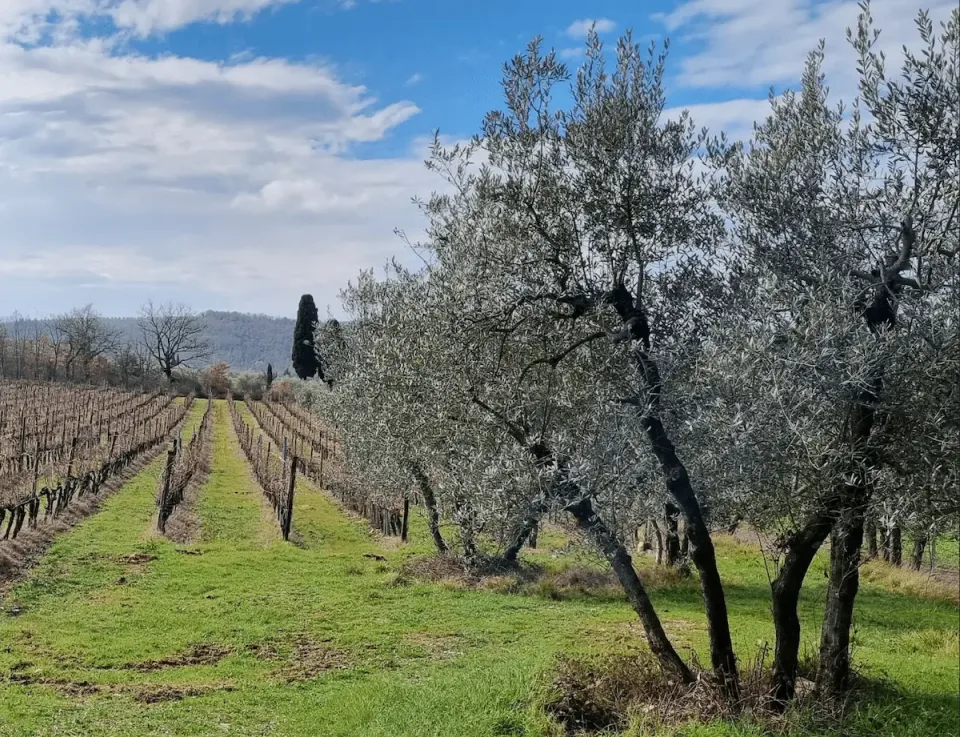
Best Things to Do in Chianti
Vineyards, hill towns and a long lunch under the olive trees: seven ideas for a slow day. Stop three is a tasting at Casa Sola.
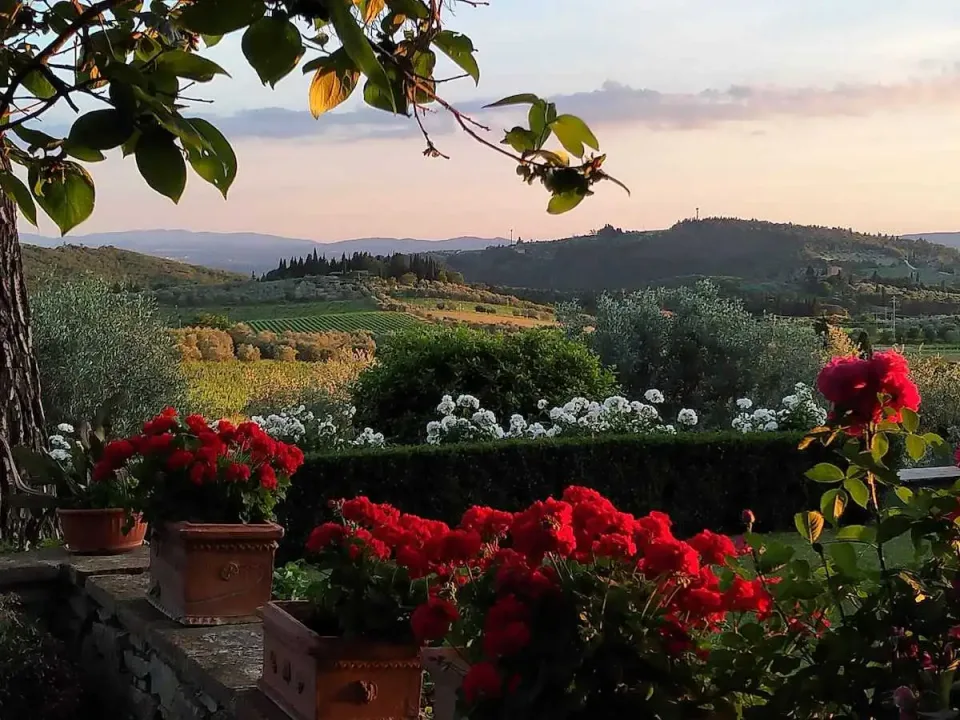
The Best Time to Visit Chianti
Harvest in late September, roses in May, quiet light in October. When to come and why, season by season.
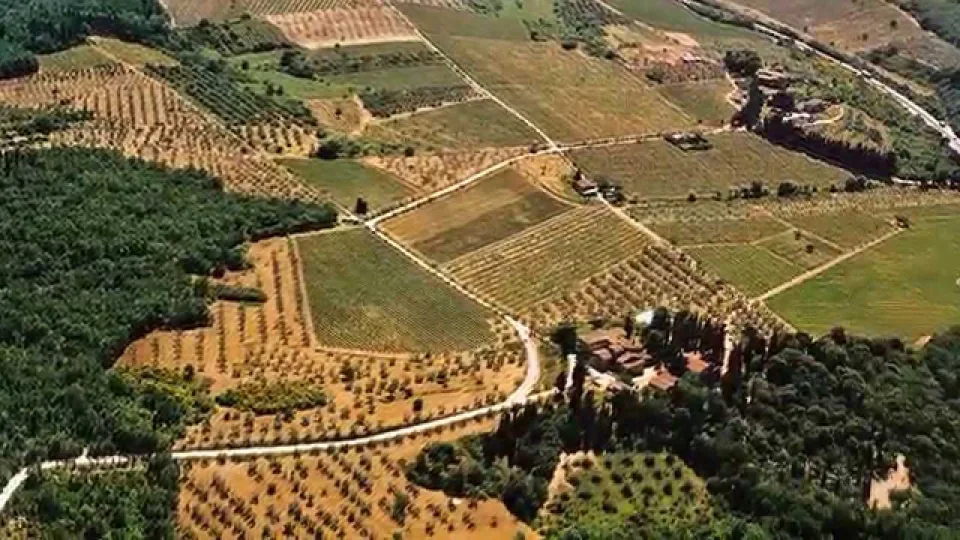
Chianti Wine Tours from Florence
Thirty minutes by car, a little more by bus: how to reach the western Chianti Classico and what to see on the way.