
Discover Chianti: More Than Wine
Where to Taste Chianti Classico
At the winery, in a wine shop or at a fair: where the Gallo Nero is poured, how to read the label and what the subzones mean.
Chianti Classico is poured everywhere between Florence and Siena, but not every glass tells you the same thing. Where you taste changes what you learn. These are the four kinds of place, and how to get the most from each.
At the winery
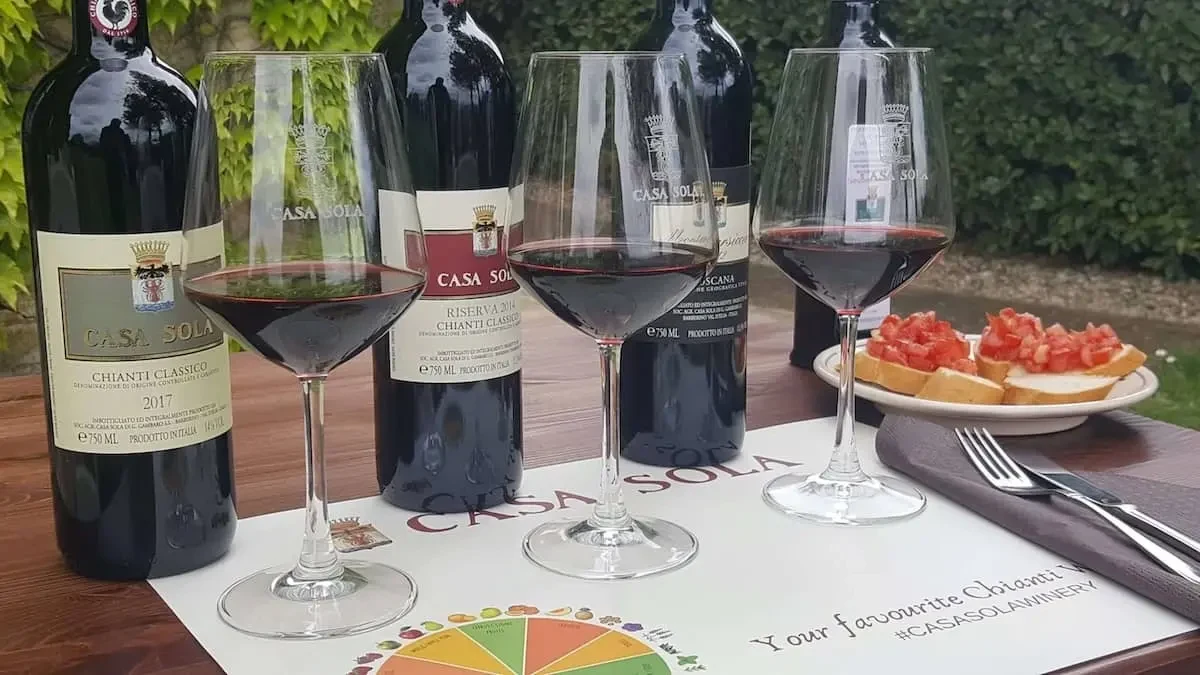
The best place, because the wine comes with its context: the hill it grew on, the cellar, the people. In a family winery you usually meet the person who makes the decisions. At Casa Sola the tasting follows a walk through the vineyard and a cellar visit, and you taste three wines from the same hills: Chianti Classico, Riserva and the Supertuscan Montarsiccio. Book ahead; small estates do not have a bar open all day.
In the wine shops of the villages
Greve in Chianti has the largest enoteche of the area, some with self-service dispensers that let you compare dozens of producers by the glass. Panzano, Castellina and Radda have smaller shops run by people who know every estate within ten kilometres. Good for an overview before you choose which wineries to visit.
At the fairs
Two dates. In February the Chianti Classico Collection in Florence presents the new vintages of almost every producer in one hall, open to the public on some days. In September Greve hosts the Chianti Classico fair in its piazza, and Panzano celebrates its own wine festival. Lively, crowded, the fastest way to taste the whole appellation.
At the table
The trattorie of Chianti pour the local wine by the glass and by the bottle at fair prices. Ask for a Chianti Classico from the village you are in; the waiter will usually know the producer. Pair it with what the kitchen does best: pasta with ragù, grilled meat, pecorino. Our pairing page explains why they work.
How to read the label
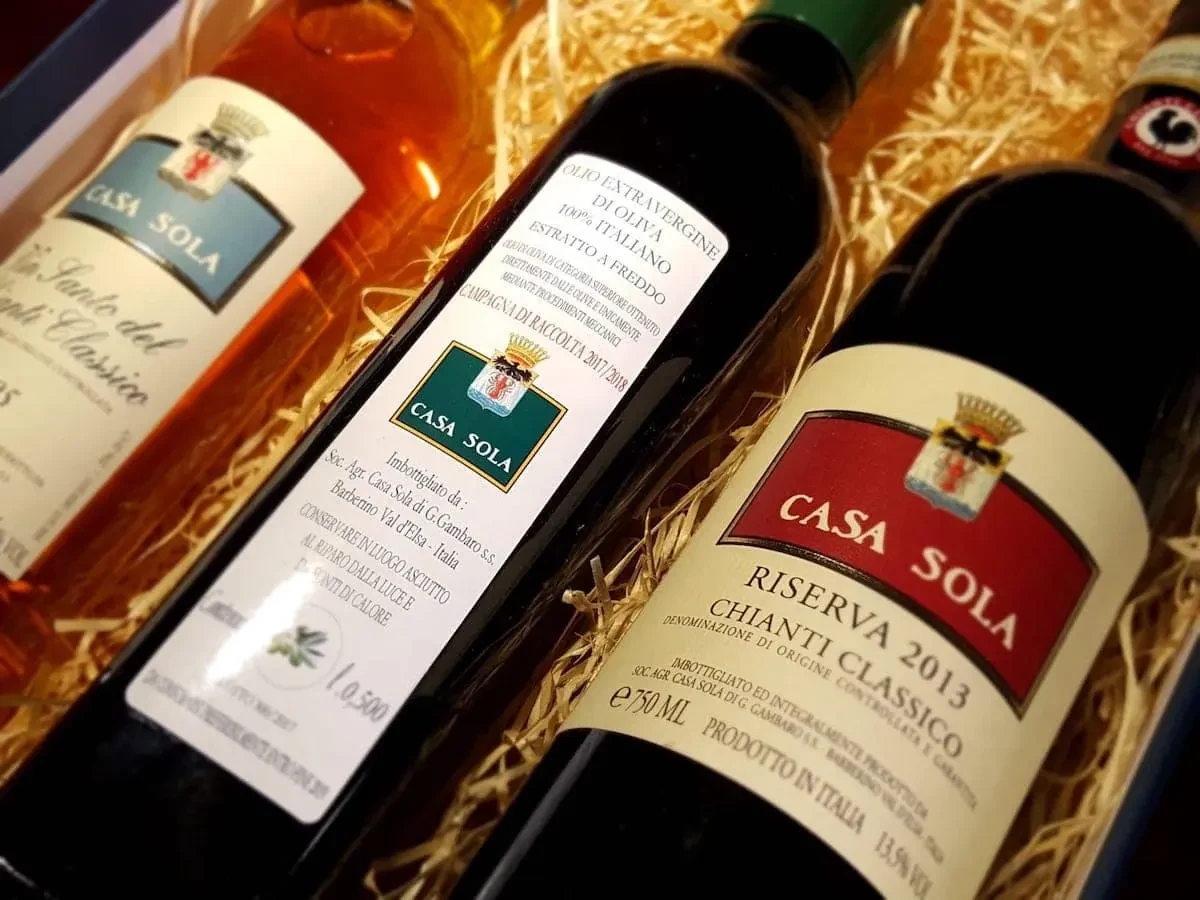
The black rooster, the Gallo Nero, means Chianti Classico: at least eighty per cent Sangiovese, grown only in the historic territory of eight municipalities. "Annata" is the wine of the year, released from the October after the harvest. "Riserva" has aged at least twenty-four months. "Gran Selezione" comes only from the estate's own grapes, ages at least thirty months and passes an extra examination; since recent vintages it can also name one of the eleven subzones, the Additional Geographical Units, on the label. Ours is San Donato in Poggio.
Chianti or Chianti Classico?
Not the same wine. Chianti Classico is made only in the original territory between Florence and Siena; the wine called Chianti is made across much of the rest of Tuscany. Both are DOCG, with different rules and consortia. When you see the rooster, you are in the first.
Ready to compare for yourself? Our vertical tastings put five vintages of the same wine side by side.
Keep reading
Best Things to Do in Chianti
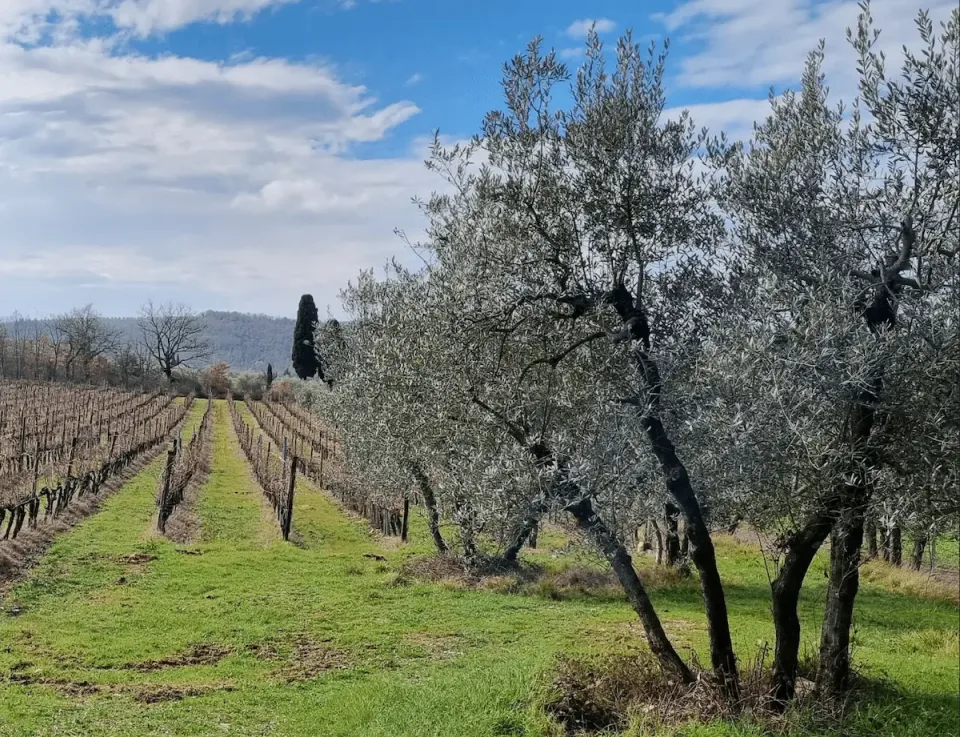
Vineyards, hill towns and a long lunch under the olive trees: seven ideas for a slow day. Stop three is a tasting at Casa Sola.
The Best Time to Visit Chianti
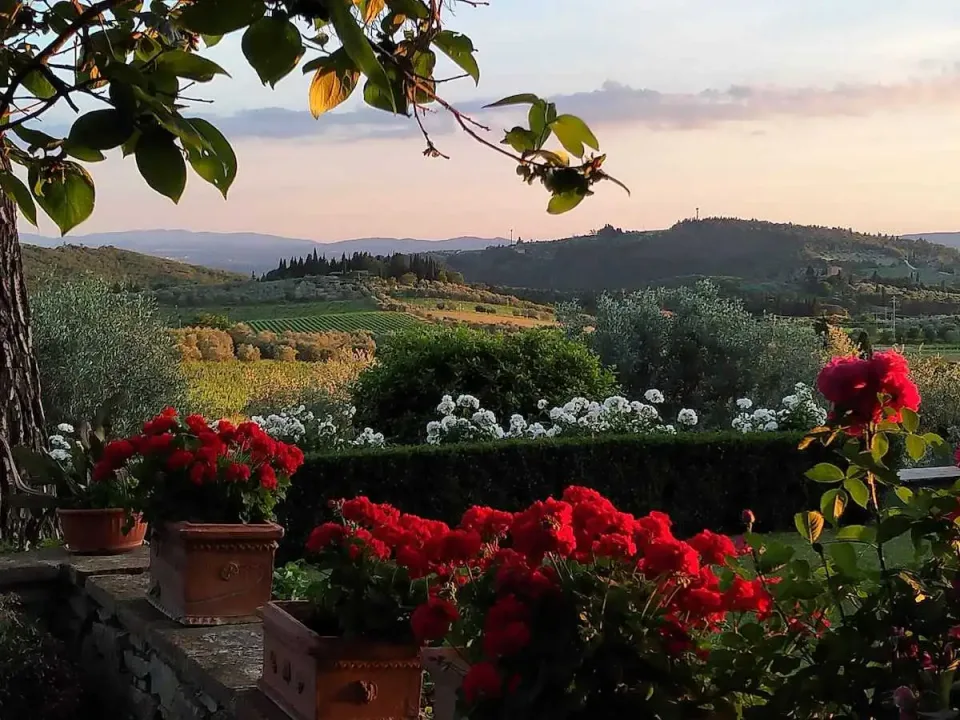
Harvest in late September, roses in May, quiet light in October. When to come and why, season by season.
Chianti Wine Tours from Florence
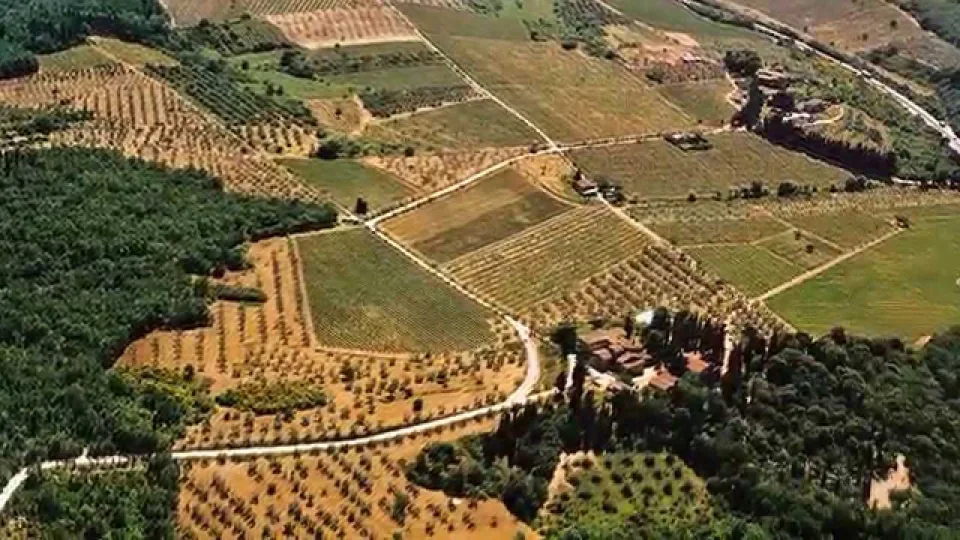
Thirty minutes by car, a little more by bus: how to reach the western Chianti Classico and what to see on the way.